
• Proudly Servicing Essex & Middlesex Counties and Beyond
  • 24/7 Emergency Tree Services
Entrance Landscape Design: Creative Ways to Welcome Guests Before They Even Knock
Fully Licensed & Insured
Safety-First Approach
Complete Site Cleanup
Established In 2002

Your Front Entrance Sets the Tone for Your Entire Home


Entrance landscape design is the art of shaping everything between the street and your front door — walkways, plantings, lighting, and hardscape — to create a clear, welcoming arrival experience.

Quick answer: What makes a great entrance landscape?

Element Why It Matters
Clear walkway Guides guests safely from street to door
Layered plantings Adds color, texture, and year-round structure
Focal point Draws the eye and anchors the design
Path lighting Improves safety and nighttime curb appeal
Proper drainage Protects your foundation and walkways
Seasonal interest Keeps the entrance looking great all year

Your entrance does a lot of work. Real estate research shows a well-designed front landscape can boost property value by 5–15% — and homes with professional entrance landscaping sell 20% faster than comparable properties without it.

Here’s the part that surprises most homeowners: visitors form their first impression of your property within 7 seconds. That means before anyone rings the bell, your entrance has already told a story.

For homeowners across Essex County, Middlesex County, and the Greater Boston area, that story has to hold up through snowy winters, wet springs, and hot summers — which makes thoughtful plant selection and durable hardscape choices especially important.

This guide covers everything you need to create an entrance that looks intentional, stays low-maintenance, and works for your home’s specific style and site conditions.

Infographic: 6 key elements of effective entrance landscape design from street to front door infographic

Core Entrance Landscape Design Principles That Create a Clear Welcome

Creating an effective entrance landscape is more than just scattering a few colorful annuals next to the front steps. It requires a solid understanding of spatial psychology, visual hierarchy, and structural balance. When we plan a Landscape Design Construction project, we use proven design principles to make sure your front yard feels like a natural extension of your home.

Start With the Arrival Sequence, Not Just the Plant Bed

A great entrance doesn’t start at the front door; it begins the moment a guest pulls up to the curb. Professional designers refer to this journey as the “arrival sequence.” It includes:

  • The Street View: How your home looks from a passing car.
  • The Driveway Approach: The transition from the road to your parking area.
  • The Front Walkway: The pedestrian path that leads visitors to your door.
  • The Threshold: The final landing area or stoop before entering the house.

To design a successful arrival sequence, you must prioritize clarity and direction. Visitors should never have to guess where to park, which path to take, or where the main entrance is located. Designing with clear circulation and strong visual cues guides movement naturally. For deeper insights into how professional designers structure this flow, check out this guide on Arrival sequence inspiration.

Use Proportion, Repetition, and Focal Points to Guide the Eye

The human brain loves order, even in informal garden settings. We can create visual harmony by using three core concepts:

  1. Proportion and Scale: Your plants and hardscape must match the size of your home. A massive, multi-story Colonial will swallow up tiny flower beds, while a cozy Cape Cod can easily be overwhelmed by a giant oak planted too close to the front door.
  2. Repetition: Using the same colors, textures, or plant species at regular intervals unifies the space. For example, repeating a specific ornamental grass along the walkway and near the porch anchors the entire look.
  3. Focal Points: A focal point gives the eye a place to rest. This could be a beautifully pruned specimen tree, a pair of elegant stone urns, or a decorative gate. If you are looking to install a striking anchor tree as a focal point, our team can assist with professional Tree Planting to ensure it is positioned perfectly for long-term growth.

Balance Beauty With Drainage, Security, and Wayfinding

A beautiful entrance that puddles during a rainstorm or feels dark and unsafe at night is a failure of design. Your entrance must balance aesthetics with functional realities:

  • Grading and Drainage: Water must always flow away from your foundation and walkways. If your yard slopes toward the front door, you will need custom Grading Drainage Solutions to prevent erosion and icy walkways in the winter.
  • Security and Sightlines: Keep plantings near windows and doors trimmed to maintain clear sightlines from inside the house. This deters intruders and keeps your entry feeling open and safe.
  • Clear Wayfinding: Ensure your house numbers are highly visible from the street, and keep your mailbox easily accessible for postal carriers.

Tailoring the Entry to Architecture, Lot Shape, and Massachusetts Conditions

Every home has a unique architectural style and site layout. To make your entrance landscape design look natural, it must match the style of your house while standing up to the local weather patterns in our Massachusetts Service Areas.

Entrance Landscape Design for Different Home Styles

Your landscaping should feel like it was built with the house, not added on as an afterthought.

  • Colonial Homes: These traditional homes thrive on formal symmetry. Think mirrored garden beds on either side of a straight, wide brick walkway, neatly clipped boxwood hedges, and a centered front door framed by elegant potted plants.
  • Cape-Style Homes: These homes look best with a relaxed, cottage-style approach. Meandering gravel or bluestone paths, layered beds filled with colorful perennials, and climbing hydrangeas or roses on a wooden trellis create a cozy, timeless charm.
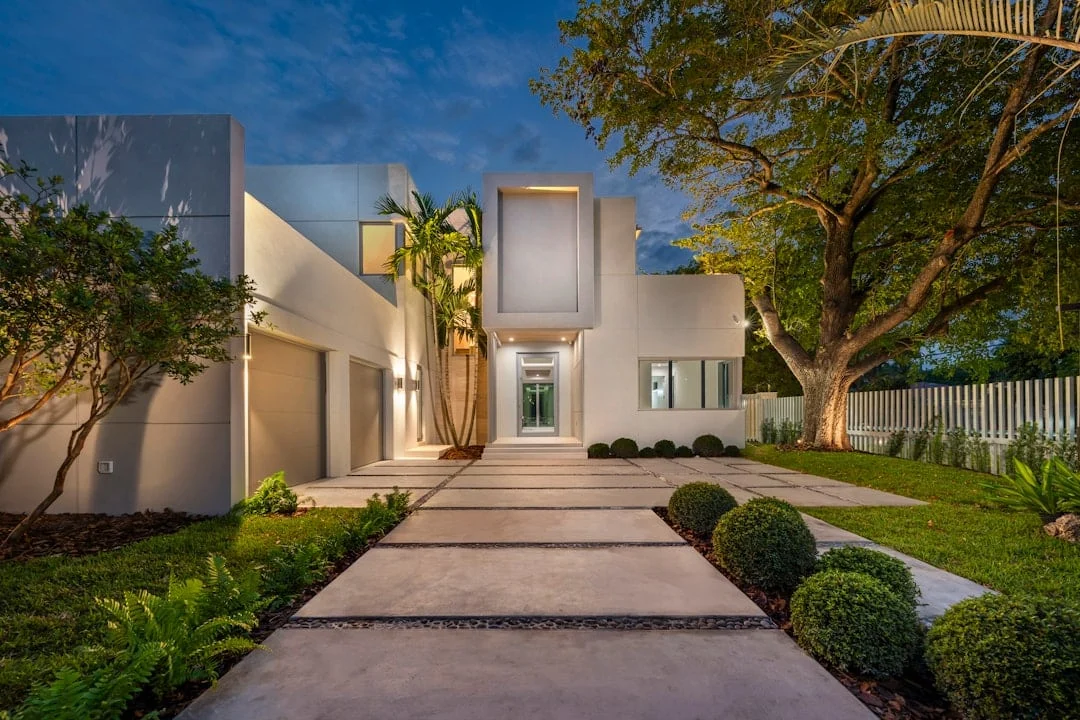
  • Contemporary Homes: Modern architecture calls for minimalist planting and strong geometric lines. Use clean concrete or large-format stone pavers, mass plantings of a single ornamental grass, and architectural plants with striking shapes.

Entrance Landscape Design for Slopes, Shade, and Tight Lots

Not every front yard is flat, sunny, and spacious. Fortunately, challenging site conditions can often be turned into beautiful design features:

  • Sloped Entries: If your front yard is a steep incline, skip the difficult-to-mow grass. Instead, use terraced Retaining Decorative Walls to create flat planting pockets. Combine these with wide stone Walkways and sturdy steps to make the climb feel effortless and safe.
  • Shady Foundations: Shady front yards don’t have to be boring. Swap out sun-loving flowers for a rich tapestry of shade plants that play with foliage color and texture, such as hostas, astilbes, ferns, and native bleeding hearts.
  • Tight Lots and Narrow Beds: If you have limited space between your driveway and your home, focus on vertical elements. Use narrow, upright shrubs, wall-mounted trellises, or hanging planters to add green layers without crowding your walkways.

Larger Residential, Shared, and Commercial Entrances

For larger properties, community entrances, or commercial buildings, the entrance landscape must work on a grander scale.

Commercial properties with attractive entrance landscaping see an average of 20% higher foot traffic than those with neglected storefronts. For these high-traffic areas, we recommend using oversized planters, bold seasonal flower displays, and clear architectural markers to guide visitors safely.

A shared property entrance with stone signage, layered plantings, and low-voltage lighting

Low-Maintenance Plants and Hardscape Materials for a Welcoming Entrance

To keep your entrance looking pristine year-round without spending every weekend weeding, pruning, and sweeping, you need to select the right combination of plants and hardscape materials. For a deeper dive into creating a beautiful, functional entry garden, you can explore these Front entry garden design ideas.

Choose Plant Layers That Look Good in Every Season

A common mistake is designing an entrance that looks spectacular in June but completely bare in January. To avoid this, follow the two-thirds evergreen to one-third deciduous rule. This ensures your landscape maintains its structure and color even during our cold Massachusetts winters.

Using native plants is another smart strategy — they are adapted to our local climate, support local pollinators, and require 50–70% less water than traditional turf grass. When we handle a Planting Mulch Installation, we focus on layering plants by major height to keep the view to your front door unobstructed.

Here is a list of highly reliable, low-maintenance plants for local entrance landscapes:

  • Evergreen Anchors: Dwarf Alberta Spruce, Inkberry Holly, and ‘Emerald Green’ Arborvitae.
  • Low-Maintenance Shrubs: ‘Limelight’ Hydrangea, Virginia Sweetspire, and Red-Twig Dogwood (for stunning winter bark).
  • Hardy Perennials: Coneflowers, Black-Eyed Susans, Hosta, and Catmint.
  • Ornamental Grasses: Feather Reed Grass and Blue Fescue.

Use Hardscapes That Stay Safe, Durable, and Visually Consistent

Your front walkway is the backbone of your entrance. It needs to handle heavy foot traffic, snow shovels, and the harsh freeze-thaw cycles of Massachusetts winters.

  • Pavers: Concrete pavers are incredibly durable, slip-resistant, and come in a wide variety of colors and patterns to match any architectural style.
  • Natural Stone: Bluestone or granite steps offer a premium, timeless look that only gets better with age.
  • Permeable Surfaces: If drainage is a concern, permeable pavers or decorative gravel accents allow rainwater to soak directly into the ground, reducing runoff and ice buildup.

Whether you are looking to update your front Patios or design Custom Driveways, choosing durable, slip-resistant materials is key to long-term safety.

Finish the Entry With Mulch, Containers, and Clean Edges

The difference between an average landscape and a professional-grade design is in the finishing details.

Applying a 2-to-3-inch layer of organic mulch is one of the best things you can do for your garden beds. It suppresses weeds, retains soil moisture, and provides a clean, dark background that makes your plants pop. Be sure to keep a crisp, deeply cut edge between your lawn and your garden beds to give your property an instant, manicured look.

To add instant color and personality, place high-quality seasonal containers on your porch or along your steps. These can easily be refreshed with mums in the fall, evergreen boughs in the winter, and bright annuals in the spring.

A close-up of a front entry featuring fresh dark mulch, clean bed edges, and potted evergreen shrubs

Lighting, Signage, and Seasonal Interest That Extend the Welcome

A welcoming entrance shouldn’t disappear when the sun goes down or when the seasons change. Thoughtful lighting and clear signage ensure your home remains safe, navigable, and beautiful 24 hours a day.

Light the Route From Driveway to Door

Proper outdoor lighting serves two main purposes: safety and beauty. A well-lit path prevents trips and falls while highlighting the best architectural and plant features of your home.

When planning your Outdoor Lighting, aim for a warm, soft glow rather than harsh, blinding floodlights. Spacing path lights 10 to 15 feet apart along your walkway creates a gentle, continuous guide to your front door. For more practical advice on designing a safe and beautiful lighting layout, read our Low Voltage Landscape Lighting Tips: How to Plan Safer Paths, Patios and Entryways.

Make House Numbers, Mailboxes, and Signs Easy to Find

Your house numbers should be easily readable from the street, even in the dark. This is crucial for guests, delivery drivers, and emergency first responders.

  • Contrast: Choose house numbers that stand out sharply against their background (e.g., black metal numbers on a light wooden post or white siding).
  • Placement: Mount numbers near a light source, or use a dedicated solar-powered light to illuminate them.
  • Planting: If you have a sign or mailbox garden, keep nearby shrubs neatly trimmed so they never block the view of your address.

Plan Seasonal Changes Without Constant Replanting

You don’t need to completely redesign your garden beds four times a year to maintain seasonal interest. Instead, build a permanent skeleton of evergreens and hardy perennials, and use these quick upgrades to celebrate the seasons:

  • Spring: Plant early bulbs like daffodils and tulips in the fall for a burst of early color, and hang baskets of pansies on the porch.
  • Summer: Add heat-tolerant annuals like geraniums or petunias to your porch containers.
  • Fall: Swap out tired summer annuals for colorful mums, ornamental cabbages, and pumpkins.
  • Winter: Insert fresh evergreen branches, red-twig dogwood stems, and warm white holiday lights into your existing porch planters.

To keep your entrance looking its best year-round, schedule regular Seasonal Cleanups and ongoing Property Maintenance to clear away fallen leaves, winter debris, and overgrown branches.

Sustainable, Accessible, and Functional Entrance Landscape Design Details

A truly successful entrance landscape is built to last. It should be easy for everyone to navigate, conserve water, and prevent structural issues before they can damage your home.

Design Walkways for Comfort, Safety, and Accessibility

A walkway should never feel like a tightrope. To ensure your front path is comfortable and accessible for everyone — including parents with strollers, guests carrying groceries, or family members using wheelchairs — keep these guidelines in mind:

  • Width: Make your primary walkway at least 4 feet wide so two people can walk side-by-side comfortably.
  • Slope: Keep the slope gentle. If your yard has a steep grade, use a series of wide landings rather than one continuous, steep ramp.
  • Texture: Choose flat, non-slip hardscape materials. Avoid highly irregular natural stones that can easily catch a heel or cause a trip.

Reduce Water Use and Maintenance With Smarter Planting

Water conservation is just as important in Massachusetts as it is in drier parts of the country. By choosing native plants with deep root systems, you can significantly reduce your water bills and maintenance hours.

Installing efficient Irrigation Systems like drip lines directly under your mulch delivers water straight to plant roots, minimizing evaporation and weed growth. To learn more about designing a yard that practically takes care of itself, read our guide on Low Maintenance Landscape Design: Spend More Time Lounging and Less Time Weeding.

Prevent Problems Before They Reach the Front Door

Your landscaping should protect your home, not threaten it. Keep these functional tips in mind during the planning phase:

  • Foundation Clearance: Never plant large trees or aggressive shrubs right next to your foundation. Their roots can crack concrete, and their branches can trap moisture against your siding.
  • Snow Storage: Plan ahead for winter. Leave a clear, unplanted area near your driveway and walkways where you can pile shoveled snow without crushing your favorite shrubs.
  • Utility Access: Keep gas meters, electric panels, and outdoor water spigots easily accessible. Use lightweight, movable plantings or ornamental grasses to screen them from view rather than heavy, woody shrubs.

For more clever ideas on how to keep your yard looking great with minimal effort, explore these 10 Amazing Landscaping Services Hacks.

Frequently Asked Questions About Entrance Landscape Design

What Are the Most Important Elements of Entrance Landscape Design?

The most critical elements are a wide, safe walkway, a clearly visible front door, adequate outdoor lighting, proper soil drainage, and a balanced mix of evergreen and deciduous plants that provide structure throughout the year.

What Plants Work Best for a Low-Maintenance Front Entrance?

Evergreens like Inkberry Holly and dwarf conifers provide year-round structure, while hardy perennials like Coneflowers, Catmint, and Hostas offer reliable seasonal color with very little maintenance. Native ornamental grasses are also excellent for adding texture and movement.

How Wide Should a Front Entrance Walkway Be?

Your main front walkway should be at least 4 feet wide. This allows two people to walk comfortably side-by-side and easily accommodates strollers, walkers, and wheelchairs.

Conclusion

Your front entrance is the handshake of your home. A thoughtful entrance landscape design not only elevates your property’s curb appeal and increases its resale value, but it also creates a warm, stress-free transition for you and your guests.

At Zacarias Tree & Landscaping, we help homeowners across Essex County, Middlesex County, and the Greater Boston area bring their outdoor visions to life. From durable walkway installations and custom retaining walls to low-maintenance plantings and professional tree care, we pride ourselves on our rapid response, quick estimates, and thorough, efficient work.

Ready to transform your front yard into a welcoming oasis? Start your entrance landscape design project with us today!

Get Your Free Estimate Today

Need a pro? Zacarias Tree & Landscaping provides licensed, insured, and expert care across Lynn, Essex, and Middlesex Counties.

We live by a simple promise: Clear scope. Clear plan. Clean finish.

From emergency removals to seasonal landscaping, we’ve been Lynn’s trusted choice since 2002. Safety-first standards. Total site cleanup. Every time.

entrance landscape design
You Can Trust The Experts At Zacarias Tree & Landscaping
Three gold badges labeled Licensed, Insured, Bonded with green icons and ribbons.
Contact Us for Tree Service Assistance or a Free Estimate.
Our Services
We accept MasterCard, Visa, American Express, and Discover for your convenience.
MasterCard logo with interlocking red and yellow circles and the word "MasterCard" in white text over the circles. Visa logo on a blue background with yellow accent on the "V". Blue American Express card with "AM EX" logo on the right. Discover logo with black letters and an orange circle on a light background.
Copyright © 2026 | All Rights Reserved | Zacarias Tree & Landscaping | Page List | Service Areas | Digital Marketing By AQM