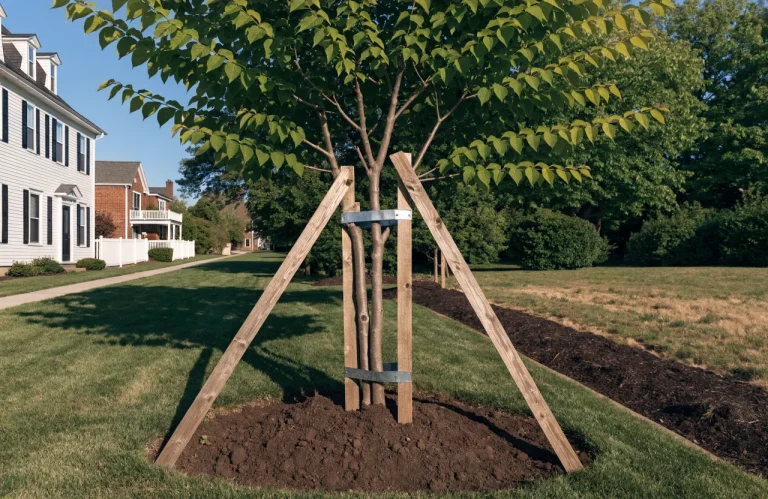
Tree Transplanting is the right move when you want to keep a valuable tree but the current location is creating a conflict—new construction, grading changes, a tree leaning over rooflines, or roots pushing into walkways and utilities. Done poorly, moving a tree can trigger long-term decline, instability, or expensive rework to surrounding landscaping, so this is a job for a professional contractor with the right equipment and sequencing.
Zacarias Tree and Landscaping, Inc. handles relocations with a plan that protects the root system, the site, and your timeline. We’ll walk the property, flag access constraints, and outline a realistic schedule and budget range after we see the tree and the new planting area. If you’re ready to lock in a workable window for moving and aftercare, Get a Quote.
Tree Transplanting is ideal for homeowners, property managers, and builders who want to preserve established shade and privacy while adapting the property. We’re often called when a tree is too close to a planned addition, when a driveway or patio layout needs clearance, or when a specimen tree is simply in the wrong spot for long-term growth.
Relocating a tree can also be part of a broader landscape build—coordinated with drainage corrections, new beds, or hardscape work—so the finished yard looks intentional rather than “patched.” If you’re planning a full outdoor upgrade, you may also want to review our Landscape Design & Construction and see completed work in our Projects gallery.
A successful move is less about brute force and more about controlling risk: root loss, soil conditions, access, and the first season of establishment. Our Tree Transplanting work is performed by an experienced crew that understands how to stage the site, protect nearby structures, and keep the tree’s root flare and planting depth correct.
Zacarias Tree and Landscaping, Inc. is fully licensed and insured, and we bring the equipment needed to handle tight access and heavier picks when required. We’re familiar with the region’s freeze–thaw cycles and storm-driven winds, which influence staking decisions, watering expectations, and how we prepare the receiving hole. We follow professional jobsite practices and safety standards to protect your property and our team; you can review our approach on Safety Standards and how jobs are sequenced on Our Process.
For industry reference on pruning standards that can affect pre-move canopy reduction and post-move recovery, we align with guidance from the International Society of Arboriculture.
Tree Transplanting works best when the move is planned around access, soil moisture, and the tree’s tolerance for disturbance. During the site visit, we look at the species, size, canopy condition, exposure, and where the new location will drain and receive sunlight.
Here’s what a typical Tree Transplanting project includes:
If you want the relocation paired with new beds and finishing touches, we can coordinate with planting and mulch as part of the same mobilization; see Planting & Mulch Installation.
Need a pro? Zacarias Tree & Landscaping provides licensed, insured, and expert care across Lynn, Essex, and Middlesex Counties.
We live by a simple promise: Clear scope. Clear plan. Clean finish.
From emergency removals to seasonal landscaping, we’ve been Lynn’s trusted choice since 2002. Safety-first standards. Total site cleanup. Every time.

Scheduling matters with Tree Transplanting—equipment coordination and the tree’s condition can narrow the best window, especially when weather swings from heavy rain to sudden heat. The fastest way to get a reliable plan is an on-site evaluation where we can measure access, confirm the target location, and identify any conflicts with utilities, irrigation, or hardscape edges.
We’ll walk you through what’s included, what preparation (if any) is needed on your end, and what aftercare will look like. If you’re comparing bids, we’ll also explain what root ball sizing, planting depth, and stabilization methods are being proposed so you can compare apples to apples.
To book your walkthrough and get a clear scope, contact our team here: Get a Quote.
The best candidates are healthy trees with manageable size for access and lifting, and with a species that tolerates root disturbance reasonably well. During a site visit we look at canopy condition, trunk integrity, root zone constraints, and whether the new location provides proper spacing, sunlight, and drainage. If relocation isn’t the smart option, we’ll tell you and discuss alternatives like replacement planting.
We review the tree, access for equipment, the receiving location, and any conflicts such as utilities, irrigation, fences, or nearby structures. You’ll get a clear scope of work that covers excavation, moving/setting, planting depth and grade finishing, and stabilization if needed. We also outline aftercare expectations so the tree has the best chance to establish.
Some stress is normal because the root system is reduced during the move, even with careful handling. The goal is to minimize shock through correct root ball sizing, gentle lifting, proper planting depth, and consistent watering afterward. We’ll explain what’s normal to see and what warning signs should prompt a follow-up.
Re-establishment depends on species, size, time of year, and site conditions like exposure and soil moisture. Many trees need a full growing season of attentive watering and monitoring, and larger moves can take longer to fully stabilize. We’ll set realistic expectations and provide aftercare guidance based on your specific tree and site.
It can be, because relocation requires specialized labor, equipment, and careful handling to preserve the root system and set the tree correctly. However, moving a mature tree can be worth it when you’re preserving shade, privacy, or a key landscape feature that would take years to replace. After we see the tree and access, we can help you compare relocation vs. replacement with a clear scope.
Sometimes, but it depends on access, clearance, and safe rigging options. We assess obstacles, determine whether machinery can reach the tree and the new location, and plan protection for nearby structures and landscape features. If the risk is too high, we’ll recommend a safer alternative rather than forcing a move.