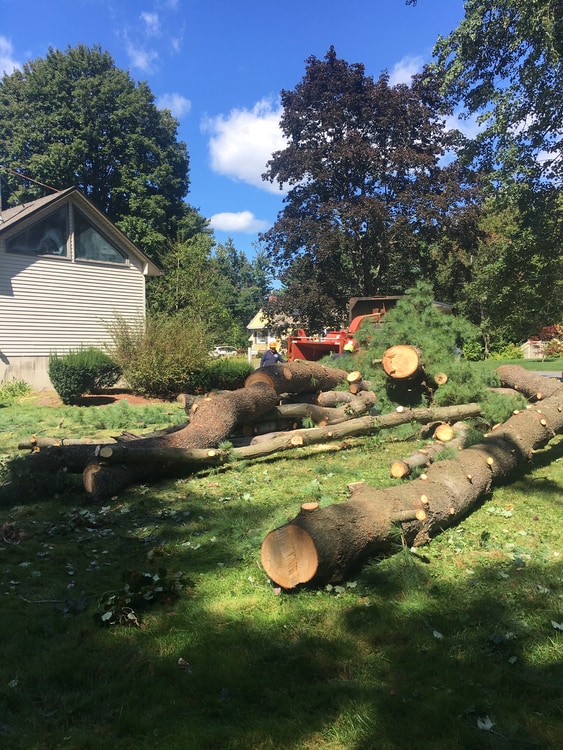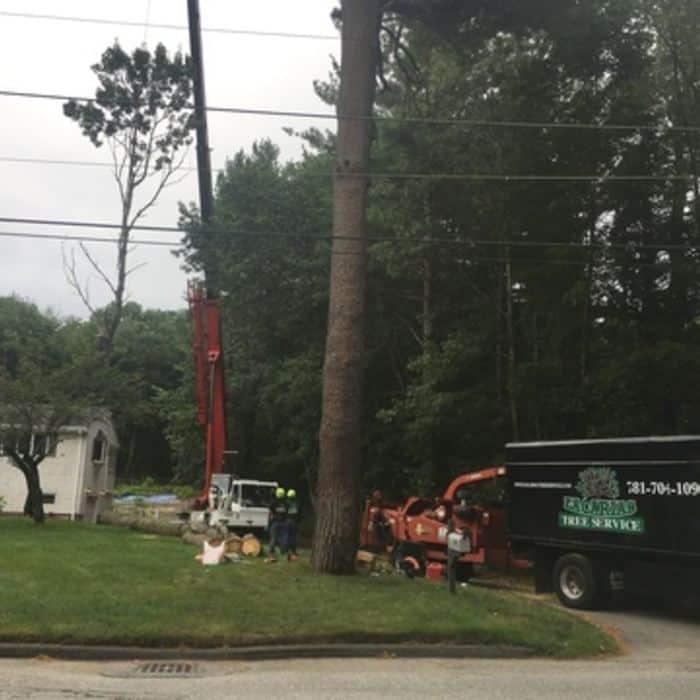
Tree Removal is the right call when a tree is dead, storm-damaged, leaning toward a roof, crowding a driveway, or threatening power lines. Done poorly, it can escalate fast—property damage, broken fences, torn lawns, and unsafe falling limbs. Zacarias Tree and Landscaping, Inc. handles removals with controlled rigging, the right equipment, and a plan built around what’s near the tree, not just the tree itself.
If you’re ready to hire, we’ll schedule a site visit, walk the access and drop zones, and give you a clear scope and realistic timeline—especially important during busy storm seasons when equipment coordination matters. When you want the work done safely and the cleanup handled, start here: Get a Quote.
This is not a “cut and hope” job. Professional Tree Removal is about controlling every piece from the first cut to the final cleanup, especially when the tree sits over a home, garage, pool, fence line, or tight side yard. We plan for limb weight, lean, decay pockets, and what the tree could do if it shifts unexpectedly.
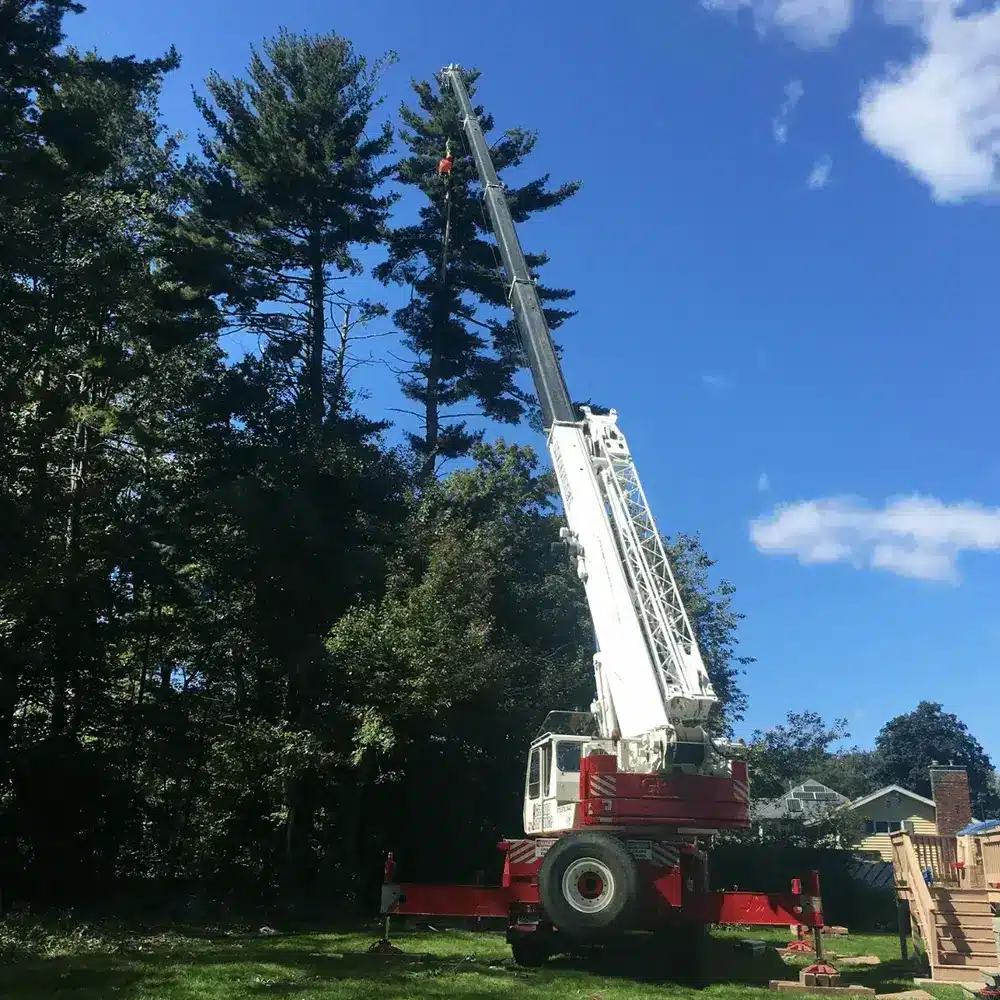
Our team handles a wide range of removal needs—hazard trees, large tree removal, backyard removals with limited access, and removals tied to renovation or new landscape construction. If the project calls for specialized lifting, we can coordinate Crane-Assisted Tree Removal so heavy sections are picked and placed rather than dropped.
Tree Removal is also a practical reset for properties where overgrown canopies block light, roots are affecting hardscape edges, or a failing tree is limiting what you can build next. If you’re planning broader upgrades, our crews can coordinate with your schedule so removals don’t delay downstream work from our Landscaping Services.
You’re hiring a contractor for a high-risk scope, so jobsite control matters. Zacarias Tree and Landscaping, Inc. is licensed and insured, and we send an experienced crew that’s used to working around homes, tight access points, and shared property lines. We arrive with commercial-grade saws, rigging gear, and the hauling capacity to remove wood and debris without leaving a mess behind. We’re also familiar with the regional realities that affect removals—wind exposure, saturated ground after heavy rain, and freeze–thaw cycles that can change footing and access.
We take safety seriously because it protects your property and our people. Our approach aligns with industry best practices for tree work, including the safety principles outlined by OSHA for hazards like chainsaws, rigging, and struck-by risks. You can also review how we think about jobsite control on our Safety Standards page.
A clean result comes from sequencing. We don’t start cutting until we’ve confirmed access, fall zones, and how each section will be controlled. Here’s what you can expect when we’re contracted for Tree Removal:
If you want to pair removal with follow-up improvements—grading repairs, drainage fixes, or replanting—we can map that out during the walkthrough. Explore our broader workflow on Our Process.
If you’d like us to look at a leaning tree over the roof or a compromised trunk near the driveway, schedule a site visit and we’ll outline options and priorities.
Need a pro? Zacarias Tree & Landscaping provides licensed, insured, and expert care across Lynn, Essex, and Middlesex Counties.
We live by a simple promise: Clear scope. Clear plan. Clean finish.
From emergency removals to seasonal landscaping, we’ve been Lynn’s trusted choice since 2002. Safety-first standards. Total site cleanup. Every time.

The next step is simple: we come out, evaluate the tree and access, and provide a written scope that matches your priorities—safety, cleanup, and protecting what’s around the work. We’ll also flag any timing constraints (soft ground, tight equipment windows, or seasonal scheduling) so you can plan confidently. If you’re coordinating with other contractors, we can align the removal with your project sequence.
See examples of completed work in our Projects gallery and read what clients say on our Testimonials page.
When you’re ready to move forward, book your visit now so we can reserve the right crew and equipment for the job.
Removal is usually recommended when the tree is dead, structurally compromised, severely leaning, or has major trunk/root defects that pruning can’t correct. If the canopy is over a roof or power service line and the tree’s condition is declining, removal can be the safer long-term choice. We can confirm options during a site visit and explain why a targeted prune may or may not be enough.
Yes—tight access is exactly where controlled sectional dismantling and rigging matter. We plan the work zone, protect sensitive areas where practical, and lower pieces in a controlled way instead of dropping them. While any heavy work can affect soft ground, our goal is to minimize impact and leave the area clean and usable.
Stump work is often requested, but it depends on your goals for the area—replanting, lawn repair, or hardscape plans. During the estimate we’ll clarify whether stump grinding is included, optional, or scheduled as a follow-up so there are no surprises. If you’re building or planting afterward, we’ll recommend the approach that keeps the next phase moving.
We’ll confirm haul-off and cleanup expectations in writing before work begins. Typically, brush and small material are removed as part of the service, and larger wood can be hauled away or left on site if you want it for firewood (when feasible and safe). Either way, we finish with a cleanup pass so you’re not left with scattered debris.
Timing depends on tree size, targets, access, and whether rigging or crane coordination is needed. Some jobs can be completed in a single visit, while complex removals may require additional time for safe sequencing and cleanup. Scheduling can tighten after storms or during peak seasons, so it’s best to book the site visit early to lock in a workable window.
It can be, because the work requires more control, more time, and sometimes additional equipment to prevent damage. Trees near roofs, fences, or service lines often need smaller cuts, rigging, and careful lowering rather than simple felling. We’ll explain what drives the scope so you understand what you’re paying for and what risks it reduces.