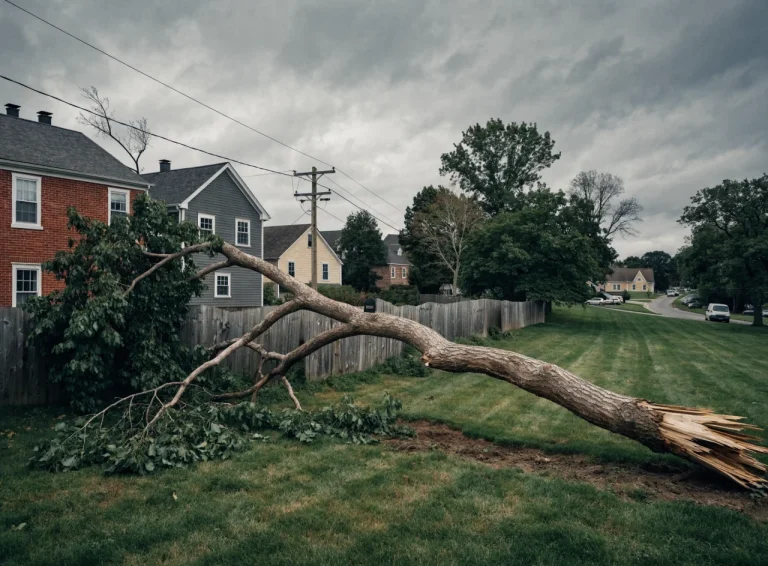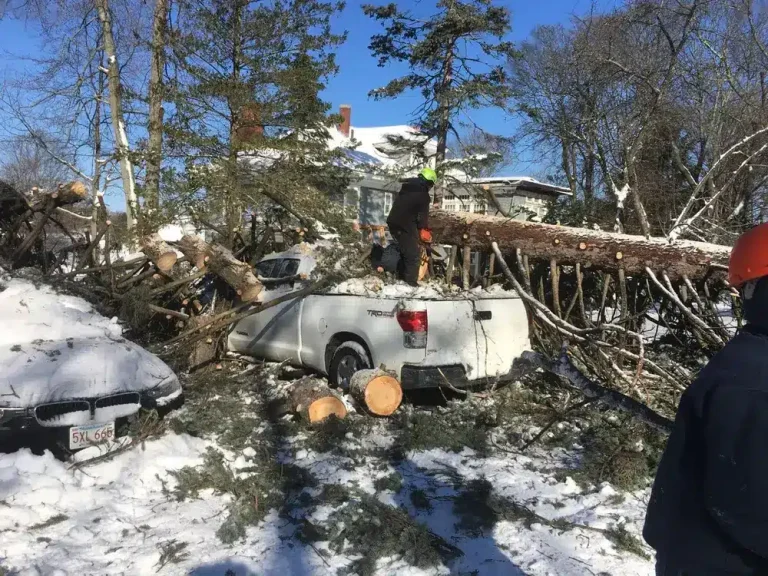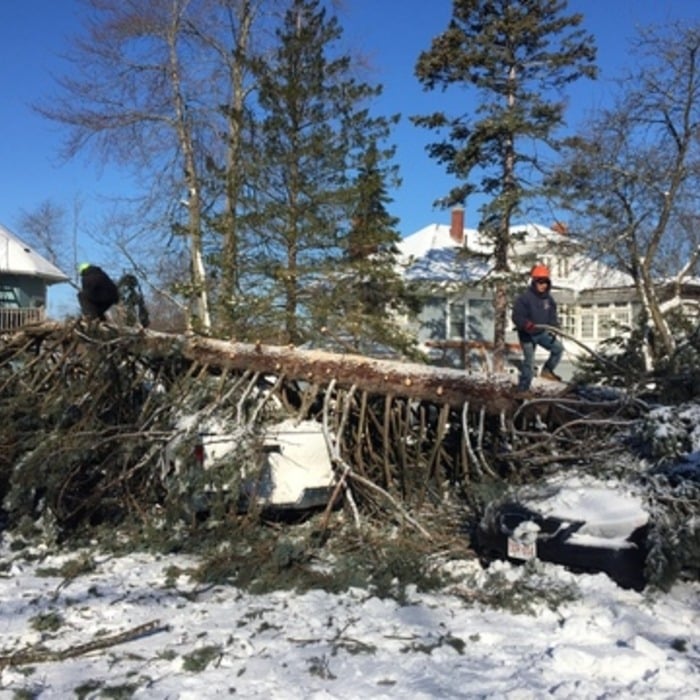
When a tree is down, split, or hanging over a roofline, you need controlled removal—not guesswork. Our Emergency Tree Service is built for homeowners, property managers, and businesses who need a fast, safe response to storm damage, blocked driveways, or a tree leaning over the house before it worsens.
Zacarias Tree and Landscaping, Inc. dispatches a professional crew with the right equipment to stabilize hazards, remove failed limbs, and clear access while protecting structures, landscaping, and utilities. If you’re ready to schedule a site visit and get a clear plan with a straightforward estimate, Get a Quote.
Emergency calls aren’t “regular tree work, but faster.” A storm-damaged canopy can shift with wind gusts, saturated soil can loosen a root plate, and a partially failed trunk can spring when cut incorrectly. Our Emergency Tree Service focuses on controlling those variables so the tree comes down in sections, the drop zone stays contained, and your property is left safe to use.
Typical situations we handle include fallen trees, large limbs on roofs, trees tangled in other trees, cracked trunks, and access blocked by debris. We also coordinate emergency tree removal when a crane is the safest option for tight setbacks or heavy pieces—see Crane-Assisted Tree Removal if your site needs heavy lifting.
As part of our broader Tree Services, we can also recommend next steps after the immediate hazard is addressed, such as pruning for clearance, follow-up removal, or replanting plans that fit the site.
Emergency work is only “successful” if it’s also safe, insurable, and documented. Zacarias Tree and Landscaping, Inc. is fully licensed and insured for the work we perform, and we send an experienced crew that understands how to manage unpredictable wood tension and unstable trees. We’re familiar with regional weather patterns that drive emergency calls—high winds, heavy rain, and freeze-thaw cycles that can weaken limbs and shift root zones. We arrive with purpose-built equipment for controlled rigging, sectional dismantling, and debris handling, and we follow jobsite practices aligned with industry safety guidance such as OSHA tree care safety resources.
Before any cutting begins, we establish a safe work zone, identify utilities and targets, and choose the least-risk method—rigging, lift assistance, or crane coordination—based on what the tree is actually doing on site. For a look at how we approach safety and sequencing across jobs, review our Safety Standards and Our Process.
You shouldn’t have to guess what’s happening or what you’re paying for during a stressful event. Our Emergency Tree Service is structured to move from stabilization to clearance to cleanup without creating new damage.
Mid-response communication matters. We tell you what we’re doing and why—especially when the safest approach is slower, more controlled cutting rather than “get it down fast.” If you’d like to see examples of completed work and outcomes, visit our Projects gallery.
Need a pro? Zacarias Tree & Landscaping provides licensed, insured, and expert care across Lynn, Essex, and Middlesex Counties.
We live by a simple promise: Clear scope. Clear plan. Clean finish.
From emergency removals to seasonal landscaping, we’ve been Lynn’s trusted choice since 2002. Safety-first standards. Total site cleanup. Every time.

If a tree is on a structure, leaning toward a target, or suspended in another tree, don’t wait for the next wind gust to decide the outcome. We’ll walk the site with you, explain the safest removal approach, and provide a straightforward estimate based on access, equipment needs, and debris handling—no pressure, just a clear plan.
Scheduling can tighten after major storms because crane time and disposal capacity book quickly.
If you’re not sure whether it’s an emergency, reach out anyway; we’ll help you determine whether immediate action is needed or if it can be safely scheduled. You can also use our Contact Us page for quick details and follow-up.
Treat it as urgent if a tree or limb is on a roof, blocking access, cracked/splitting, uprooted, or leaning toward a home, vehicle, or power lines. Hanging limbs (“widowmakers”) and trees tangled in other trees can shift without warning. If you’re unsure, describe what you’re seeing and we’ll help you decide whether immediate dispatch is appropriate.
Yes—when conditions allow, we dismantle the tree in sections and use rigging to lower pieces in a controlled way. For heavier wood or tight access, a crane-assisted plan may be the safest option. The goal is to control swing, impact, and landing zones rather than relying on free-fall cuts.
Keep people and pets away from the area and avoid moving limbs that are under tension. If access is safe, clear vehicles from the driveway and note any hazards like low wires, gates, or locked entrances. If power lines are involved, do not approach—contact the utility provider first and then coordinate removal once the area is secured.
We can remove and haul storm debris as part of the scope, and we’ll confirm what’s included during the walkthrough. Some clients prefer to keep wood for firewood or request only access restoration first—those options can be discussed on site. The estimate will spell out debris handling so there are no surprises.
We can provide clear documentation of the work performed and the conditions observed, which is often helpful for claims. Coverage and reimbursement are determined by your policy, so we recommend checking with your carrier while we focus on making the site safe. If the adjuster needs details about access constraints or removal method, we can explain the approach.
Timing depends on storm volume, road conditions, and whether specialized equipment like a crane is required. We triage based on safety risk—trees on structures and blocked access typically take priority. Contacting us early helps reserve a spot in the schedule as crews and equipment routes fill up.