Skip to content
Proudly Servicing Essex & Middlesex Counties and Beyond 24/7 Emergency Tree Services
Tree Services

Tree Trimming & Pruning in Lynn & the North Shore

Structural pruning that follows professional practices to manage risk and improve how your trees perform, backed by ISA-Certified Arborists.

Pruning That Manages Risk and Improves Tree Performance

Tree trimming and pruning is selective cutting that makes a tree safer, stronger, and better suited to the space it grows in, not just smaller. At Zacarias Tree & Landscaping, our family-run crews have pruned trees across Lynn, the wider North Shore, and Essex & Middlesex Counties since 2002.

Good pruning does real work. It reduces the odds of a limb failing over a roof, driveway, deck, or parked car. It restores clearance over walkways, the street, and sightlines. And it builds a crown that holds up better to wind, ice, and the heavy wet snow that comes with a New England winter. The difference between a good prune and a bad one is not visible the day the crew leaves. It shows up years later in how the tree grows back and how it rides out a storm.

Our arborists follow professional structural-pruning practices, the accepted baseline for where and how cuts are made; the ISA’s homeowner guide to pruning your trees explains the same principles. Just as important, we avoid the shortcuts that damage trees: we do not top trees, we do not lion-tail (stripping the interior and leaving weight on the ends), and we do not remove more live canopy than the tree can spare. Those habits leave a tree weaker and trigger fast, brittle regrowth that becomes a hazard of its own.

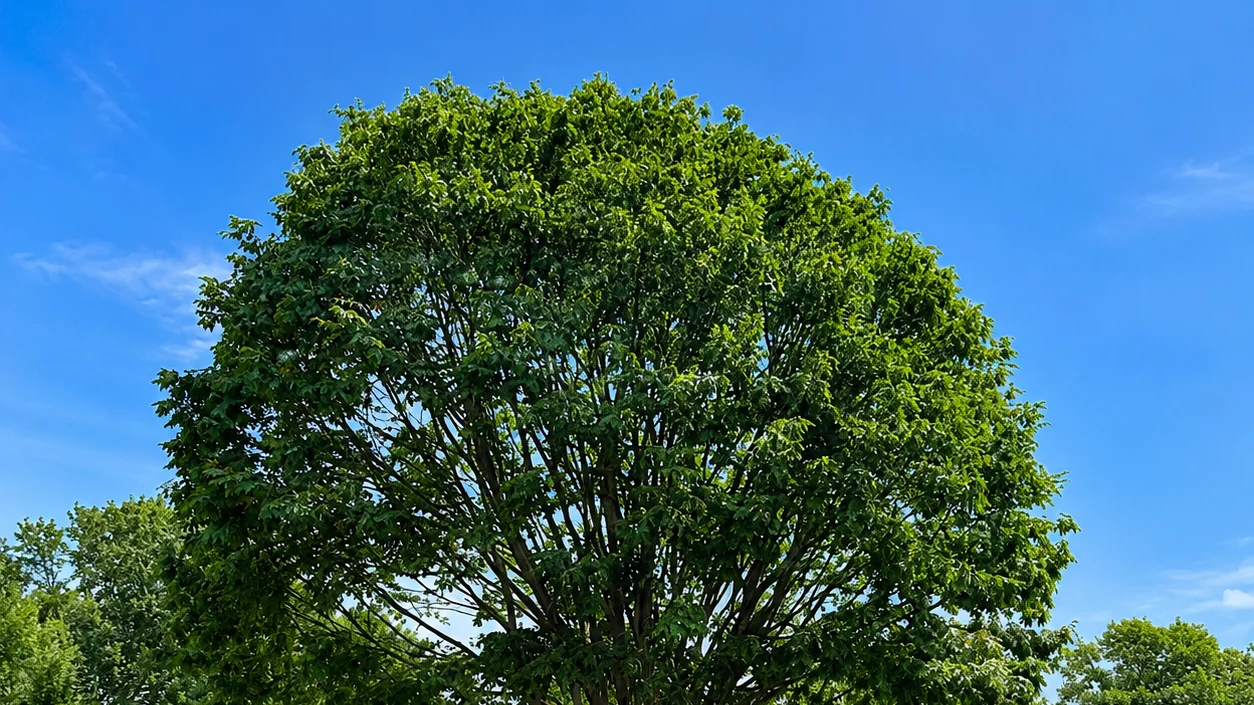
Pruning That Manages Risk and Improves Tree Performance
Pruning That Protects Long-Term Health
85+Yrs combined experience
Healthy, Shaped Trees

Pruning That Protects Long-Term Health

We make clean, proper cuts that improve structure and light without over-thinning. That is the difference between real arboriculture and hacking.

  • ISA-Certified Arborists
  • Proper cuts, no topping
  • Licensed, Bonded & Fully Insured

How Zacarias Approaches Every Pruning Job

We treat each tree as its own project rather than running a one-size-fits-all crew through your yard. Our process is built to protect your property, your trees, and the people working on them:

  1. Site walk and goal setting: we walk the property with you and identify the targets that matter (roofs, driveways, patios, fences, and power lines).
  2. Tree assessment: our arborist evaluates deadwood, crossing branches, weak attachments, and any storm damage before a single cut is planned.
  3. Access and protection: we plan where equipment sets up and how we protect your turf and beds during the work.
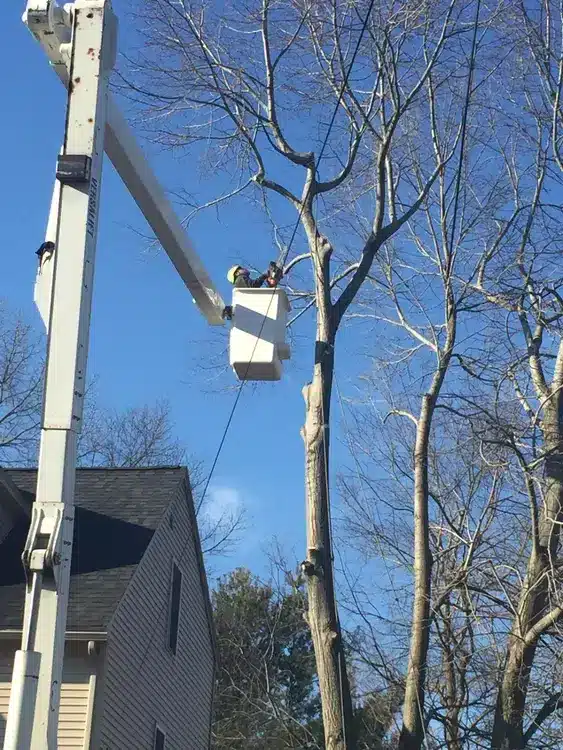
  4. Selective pruning: cuts are made to maintain the tree’s natural form and weight distribution, using professional climbing and rigging practices.
  5. Rigging and lowering: we use controlled rigging to lower limbs and prevent impact damage to what’s below.
  6. Debris handling: brush is chipped or stacked and wood is managed to the scope in your written estimate.
  7. Follow-up: ask what to watch for and when the tree should be looked at again, especially after heavy reduction or storm damage.

We are Licensed, Bonded & Fully Insured, and as a TCIA-accredited company with ISA-Certified Arborists on staff, we bring 85+ years of combined experience and hundreds of completed local jobs to the trees on your property.

What Affects the Cost and When to Schedule

There is no flat price for trimming a tree, because no two trees present the same job. These are the factors that set the scope:

  • Size and species: a mature oak spreading over a roof takes far more climbing and rigging than a young ornamental by the front walk.
  • Access: whether a lift can reach the tree or the crew has to climb and hand-lower limbs over tight spaces.
  • What sits below: limbs over a roof, a fence, a neighbor’s yard, or near wires call for slower, more controlled work.
  • Condition: heavy deadwood, storm damage, or weak branch unions add to the assessment and the cutting.
  • Cleanup: chipping brush, hauling wood, or leaving firewood-length logs each shift the scope.

We give a clear written estimate after we have seen the tree. For ballpark ranges, our guides on what it costs to have trees trimmed and pruning large oaks and maples explain what moves the number. On timing, many deciduous trees are best given structural pruning in late winter while they are dormant: the branch structure is easy to read with the leaves off and the cuts close quickly once spring growth starts. Deadwood and clearance cuts can happen any time of year. Maples and birches bleed sap when cut in late winter; it looks alarming but rarely harms the tree. If a limb comes down unexpectedly, our 24/7 emergency response covers our full service area.

Clearance, Shape, and Storm Resilience
24/7Emergency response
Curb Appeal & Safety

Clearance, Shape, and Storm Resilience

Thinning and deadwood removal reduce storm risk and keep limbs off your roofline, siding, and walkways.

  • Deadwood & hazard-limb removal
  • Brush chipped, wood cut to length
  • Written estimates, no topping

Pruning for North Shore Trees and Storms

A handful of trees account for most of the pruning we do around here, and each has its own weak spot. White pines hold snow and ice in their dense tops, so we remove dead and broken limbs and check for tops that have split before. Norway and silver maples often grow two or three competing trunks with bark pinched between them, a weak union that tends to split in a storm; early reduction of one stem, or cabling assessed by an arborist, can buy years. Red and white oaks send long, heavy limbs out over roofs, and reducing their length is usually safer than removing them outright. Bradford pears are notorious for splitting apart; our post on Bradford pear trees in Massachusetts covers when pruning helps and when replacement is smarter.

Near the coast in Swampscott, Marblehead, and along the Lynn shore, wind and salt spray push trees into lopsided crowns. Pruning there aims for balance and a lighter load on the windward side instead of a dramatic cut. If someone has suggested topping a tree to make it shorter, read why topping harms trees and what to do instead first; a proper crown reduction lowers height without leaving stubs that rot.

One boundary matters: branches touching the wires on the street belong to the utility’s line-clearance program. In most towns that is the electric company; in towns with a municipal light plant, such as Peabody, Marblehead, and Danvers, the call goes to the town’s light department. We handle limbs near the service wire to your house when it is safe to do so and tell you plainly when the utility has to be involved.

Common Questions

Tree Trimming & Pruning FAQs

How do I know my tree actually needs pruning?

Watch for a few clear signs: dead limbs, branches hanging over a roof or driveway, limbs rubbing against the house, or visible cracks where a branch meets the trunk. Any of these is worth a look. Our arborist can walk your property and tell you what genuinely needs attention versus what can wait.

What’s the difference between trimming and pruning?

In everyday use they overlap, but there is a distinction. “Trimming” usually refers to clearance and shaping, like getting limbs off the house or opening up a walkway. “Pruning” is the more technical term for selective cuts that improve a tree’s structure and long-term health. We do both, and we plan the work around what your tree needs.

Can you prune branches near power lines?

Work near energized lines carries strict safety constraints and sometimes has to involve the utility company or specially qualified line-clearance crews. We’ll assess the situation on the site walk and tell you honestly what we can handle directly and what needs the utility involved.

Will heavy pruning make the tree grow back worse?

It can, if it’s done poorly. Topping and interior stripping trigger fast, brittle shoots that become hazards. Proper selective pruning that follows professional structural-pruning practices supports a stable framework and reduces the chance of that weak regrowth, so the tree looks right now and holds up better over time.

What happens to the branches and debris?

That is part of the planned scope, not an afterthought. Brush can be chipped, material hauled away, or firewood-length logs left if you want to keep the wood. Your written estimate should spell out which of those is included, so you know what the price covers.

When is the best time of year to have trees pruned?

It depends on the species and the goal, and our arborist can advise for your specific trees. In general, structural pruning is often done in the dormant season, while safety and clearance work can happen year-round. Because demand spikes after storms and before events, booking a little early helps secure your window.

Can you just top my tree to make it shorter?

We don't top trees, because the stubs it leaves rot and the tree answers with a flush of weakly attached shoots that become a bigger hazard within a few years. If height is the concern, a crown reduction shortens limbs back to healthy side branches, keeps the tree's shape, and gives a result that holds up. Our arborist will tell you how much reduction your tree can take.

Who trims branches touching the power lines on my street?

Lines on the poles along the street are the utility's responsibility, and in towns like Peabody, Marblehead, and Danvers that means the municipal light department. Call them for limbs in the street wires. We can handle branches near the service line to your house when it is safe, and we will tell you on the site walk if the utility needs to cut first.

Request Your Free Tree Trimming Estimate

Let us know which trees need attention and what they hang over, and we'll call to book a free on-site estimate, usually the same day.

Takes 30 seconds • We’ll confirm a few details on the next step

Get a Free Estimate

Talk to a Local Zacarias Pro

Pruning plans come from ISA-Certified Arborists on a family-run Lynn crew, licensed, bonded & insured since 2002, working across the North Shore and Essex & Middlesex Counties.

  • Visit / Mail80 Mayfair St, Lynn, MA 01904
  • 24/7 Emergency Line(781) 704-1096
  • HoursMon to Sun, 9am to 5pm • 24/7 emergency response

Ready to Get Your Trees in Shape?

Whether it’s routine pruning, storm cleanup, or clearing limbs off the roof, our ISA-Certified Arborists are ready to help. Explore all of our tree services, or reach out for a free estimate on your property in Lynn and across the North Shore.