
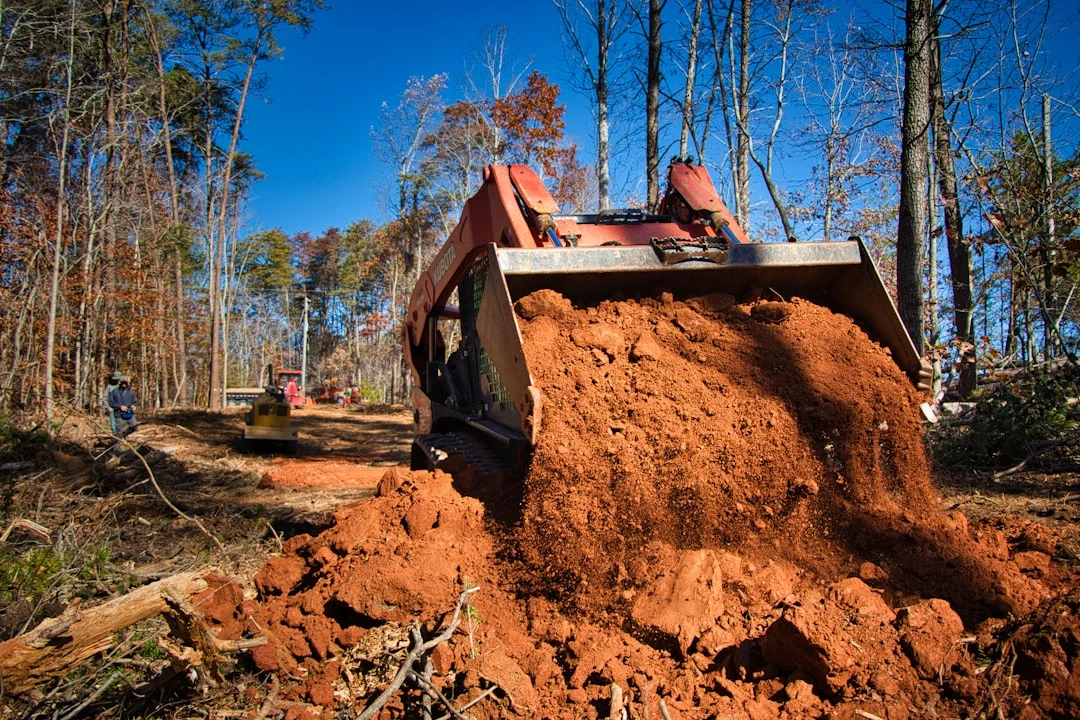
Professional brush clearing makes sense when overgrowth has moved past what a weekend with loppers can fix: thickets of saplings, thorny invasives, vines climbing into trees, or poison ivy you do not want to handle. A crew cuts the growth back to the ground, chips or hauls it, and leaves the area ready for lawn, beds, or regular upkeep. On most North Shore properties, brush work pairs naturally with a seasonal cleanup or with removing a few trees at the same visit.
Zacarias Tree & Landscaping handles brush removal as part of our seasonal cleanups and tree work from our base in Lynn. This guide covers what overgrowth is common here, the safety issues, and how to decide what kind of help you need.
What counts as brush
Brush is the woody growth between lawn and trees: shrubs, saplings, vines, and dense undergrowth. In Essex and Middlesex County yards, the usual culprits are:
- Volunteer saplings of Norway maple, black cherry, and white pine that sprout along fences and in unmowed corners.
- Glossy and common buckthorn, which form dense stands under trees and along edges.
- Oriental bittersweet, a vine that twists around trunks and can pull limbs down with its weight.
- Multiflora rose and Japanese barberry, thorny shrubs that make hand clearing slow and painful.
- Japanese knotweed, a tall, bamboo-like plant that spreads by roots and resists simple cutting.
- Poison ivy, as ground cover, shrubs, or hairy vines up tree trunks.
Several of these are invasive in Massachusetts. UMass Extension publishes identification and management information for landscape plants and invasive species.
Poison ivy and ticks: the safety side of brush
Poison ivy
The oil in poison ivy (urushiol) stays active on stems, roots, and dead vines, even in winter. It sticks to gloves, tools, and clothing, and spreads from there. A few rules apply whether you clear it yourself or not:
- Never burn poison ivy. The smoke carries the oil and can cause serious reactions if inhaled.
- Wear long sleeves, long pants, and gloves you can wash or throw away.
- Wash tools and clothing separately after the job.
- Be careful with vines climbing trees. Cutting the vine at the base is the first step, but the dead vine remains irritating.
Ticks
Dense brush and leaf litter are good tick habitat, and tick-borne illness is a real concern across Massachusetts. Clearing overgrowth back from lawns, play areas, and paths reduces the shady, humid edge where ticks wait. Check yourself after any time spent in brush.
DIY or professional brush clearing?
| Situation | Reasonable DIY | Worth hiring out |
|---|---|---|
| Growth size | Stems thinner than a broom handle | Saplings and shrubs with thick trunks |
| Area | A corner or short fence line | A large overgrown section of the yard |
| Poison ivy | None, or a small patch you can identify | Heavy growth or vines up trees |
| Vines in trees | Low vines you can reach from the ground | Bittersweet high in the canopy or pulling limbs down |
| Debris | Fits in yard waste bags or the town pickup | Needs a chipper or truck to haul |
| Nearby hazards | Open ground | Wires, steep slopes, or trees that need removal |
How brush clearing pairs with other work
With a seasonal cleanup
Spring and fall cleanups are a natural time to cut back overgrowth along edges, clear beds that have filled in with woody weeds, and haul the debris in one trip. Keeping it on a yearly schedule stops brush from returning to thicket size.
With tree removal or pruning
When a yard corner has both brush and trees that need to come out, handling both at one visit saves a second mobilization of the crew and chipper. If you are opening up a larger section of the lot, our guide to clearing trees and brush from part of a yard explains how those jobs are priced together. For the trees themselves, see tree removal.
With what comes next
Cleared ground that is left bare fills back in quickly. Plan the follow-up: new lawn, mulched beds, or native plantings through our planting and mulch installation service, or ongoing care through property maintenance.
Why invasives come back, and what to expect
Cutting brush removes what you see, but many invasives regrow from roots or stumps. Buckthorn and bittersweet sprout back from cut stems. Knotweed returns from its root system and can spread from fragments, so knotweed stems should not be chipped and spread around the yard. Plan on follow-up cutting during the next season or two, and on filling cleared areas with lawn or plantings so the invasives have less room to return.
When brush clearing needs permission
If the overgrowth is next to a wetland, stream, or pond, check with your town's conservation commission before clearing. Vegetation near wetlands is often protected, even when it is mostly invasive. If the brush sits on a property line, confirm where the line is before cutting.
Frequently asked questions
What is the best time of year for brush clearing?
Late fall through early spring is often easiest, because leaves are down and you can see what you are cutting. Summer works too, though heat, ticks, and full poison ivy leaves make it harder.
Can brush be chipped and used as mulch?
Most woody brush chips well and can be spread in natural areas. Keep poison ivy and knotweed out of chips you plan to reuse near beds or paths.
Will cleared brush grow back?
Some will, especially invasives that sprout from roots. Regular cutting and replacing bare ground with lawn or plantings keeps it under control.
Do you remove brush without other services?
Brush removal is usually folded into a seasonal cleanup or tree work, which is the most efficient way to handle it. Ask about your yard when you request an estimate.
Take back the overgrown corner
If a section of your yard has disappeared under brush and vines, request a free estimate. Our licensed, bonded, and insured crews serve Lynn, the North Shore, and Essex and Middlesex Counties, and we will walk the area with you to agree on what goes, what stays, and what comes next.