The cost of a professional tree inspection comes down to what you ask for. A walk-around by an arborist who is quoting pruning or removal is usually free. A formal written risk assessment, or testing for internal decay, is a separate professional service priced by the number of trees, their size, and the depth of the report. Knowing which one you need keeps you from overpaying or under-protecting.
Zacarias Tree & Landscaping has been caring for trees in Lynn and across Essex and Middlesex Counties since 2002. Our ISA-Certified Arborists offer free, no-obligation on-site assessments, and the notes below explain what a paid inspection adds and when it earns its fee.
Free estimate or paid assessment: know the difference
When you already expect work, such as removing a dead oak or thinning a maple over the roof, an arborist visits, looks at the tree, and prices the job. That estimate is free with us and with most established companies, because the visit leads to work.
A paid assessment is different. You are buying an expert opinion that stands on its own: a documented look at a tree's health and structure, a judgment on how likely it is to fail, and a recommendation, whether or not anyone is hired to cut. Insurers, town boards, buyers, and attorneys usually want that kind of record in writing.
The three levels of tree risk assessment
Professional arborists follow the industry's recognized framework for tree risk assessment, which the International Society of Arboriculture teaches and credentials. It defines three levels, and each one takes more time than the last.
- Level 1, limited visual: a quick look for obvious problems such as a large dead limb, a split trunk, or a severe lean. Useful for screening many trees fast; the simplest option.
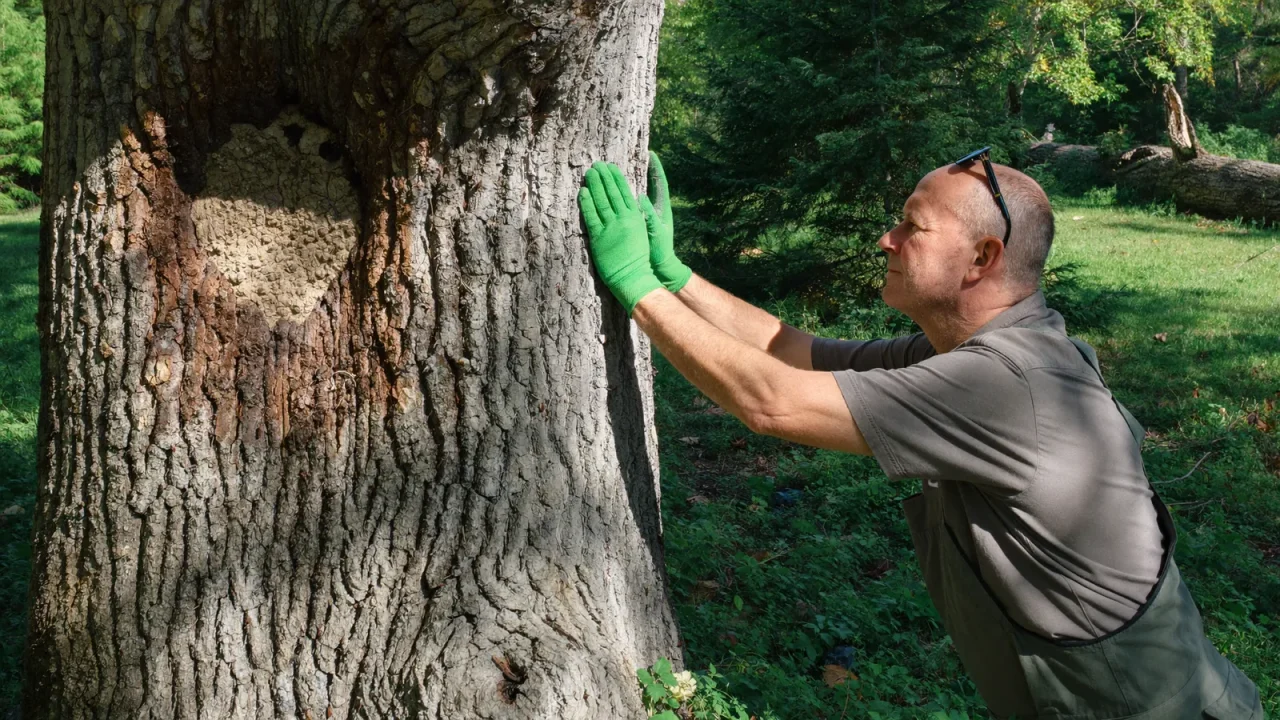
- Level 2, basic: a full walk around each tree, looking at the root flare, trunk, and crown from the ground, often sounding the trunk with a mallet to find hollow areas. This is the standard residential inspection and usually comes with written findings.
- Level 3, advanced: used when a valuable tree or a serious risk needs more information. It can include aerial inspection from a climb or lift and decay-detection tools that measure how much sound wood remains inside the trunk. It is the most involved level and takes the most time and equipment.
Most homeowners on the North Shore need a Level 2 look at one or two trees near the house. Level 3 is worth it when a large, healthy-looking tree has a cavity or crack and the decision to keep it depends on what is inside.
What changes the price of an inspection
- How many trees: one tree near the driveway is a short visit; a wooded half-acre is closer to a property inventory.
- Size and species: a tall white pine or old red oak has far more canopy to examine than a young ornamental.
- Access and targets: trees in tight backyards, close to houses, or near service wires take more care to evaluate.
- Written report: documented findings with photos and recommendations take time to prepare, so they add cost over a verbal review.
- Testing: decay-detection tools and aerial checks are specialized and are priced separately.
- Urgency: a same-night call after a storm costs more than a scheduled visit.
When a written arborist report is worth paying for
- Insurance: after a tree fails, a record showing you had it inspected and maintained can help your claim. Before a storm season, it documents that you acted responsibly.
- Permits and conservation rules: work near wetlands in Massachusetts can require approval from your town's conservation commission, and some towns protect certain trees. An arborist's written opinion often supports the application.
- Buying or selling a home: a pre-purchase look at large trees near the house can reveal an expensive problem before closing.
- Neighbor disputes: if a neighbor's tree hangs over your property and looks unsafe, a documented assessment gives both sides facts to work from.
When North Shore homeowners should book one
Our region gives trees specific stresses: nor'easters and ice storms that load limbs, coastal wind in towns like Swampscott, Nahant, and Marblehead, and older neighborhoods where big trees grow close to homes. Book an inspection when a large tree sits within reach of your house or driveway, after a storm leaves cracked or hanging limbs, before construction or excavation near a tree's roots, or when an ash tree starts thinning, since the emerald ash borer has spread through Massachusetts. For the specific warning signs to watch for between visits, use our checklist of signs a tree is dying.
What happens during a Zacarias assessment
An ISA-Certified Arborist walks the property with you, looks at the crown, trunk, root zone, and what the tree could strike, and explains what they see in plain terms. You get honest options: prune, treat, monitor, or remove, with the reasoning for each. If work makes sense, you receive a clear written estimate. If the tree only needs watching, we tell you that too. We can also handle any follow-up work, from structural pruning to tree removal. Learn more about our arborist services.
Frequently asked questions
How much does it cost to have an arborist look at a tree?
If you are getting a quote for work, the visit is typically free, and ours is. A standalone consultation with a written opinion is a paid service, and its price is set by how many trees are examined, which assessment level is used, whether you need a written report with photos, and whether decay testing or an aerial check is added. Ask for the scope in writing before the visit so you know exactly what you are paying for.
What should I expect to pay for a professional arborist visit?
Expect the price to follow the scope. One or two trees with verbal findings is a short visit. Multiple trees, a written report, or decay testing each add time. Before booking, ask three things: which level of assessment you are getting, whether findings come in writing, and whether any testing is included. Those answers tell you what the fee covers.
How often should trees be inspected?
Large trees close to your house benefit from a professional look every few years, and any tree should be checked after a major storm, a new lean, or construction near its roots.
Is an inspection the same as a removal quote?
No. An inspection judges health and risk and recommends a plan; a removal quote prices a specific job. If you are weighing the cost of hiring an arborist for work, see what a certified arborist costs.
Get an expert opinion before anyone starts cutting
If a tree near your home worries you, a free on-site assessment is the fastest way to know where you stand. Zacarias Tree & Landscaping is licensed, bonded, and fully insured, with ISA-Certified Arborists serving Lynn and the North Shore. Request a free estimate and we will schedule a visit, usually the same day, with 24/7 emergency response when a tree cannot wait.